Vice-Rector for Innovation and Research, New Uzbekistan University
October 2-4, 2026 · Tashkent, Uzbekistan
2026 New Uzbekistan University – Soongsil University, G-LAMP, International Workshop
Recent Research in AI: Mathematics, Statistics and Chemistry


We are pleased to announce the 2026 New Uzbekistan University – Soongsil University G-LAMP International Workshop on Recent Research in AI: Mathematics, Statistics and Chemistry, co-organized by New Uzbekistan University and Soongsil University, G-LAMP Group, Korea. The workshop will be held from October 2 to 4, 2026, at New Uzbekistan University in Tashkent, Uzbekistan. It brings together researchers from Korea, China, and Uzbekistan working at the interface of artificial intelligence, mathematics, statistics, and chemistry, with talks and hands-on tutorials ranging from deep learning for omics data and statistics on non-Euclidean spaces to game-theoretic PDEs, machine-learning-driven materials discovery, and the use of AI in pure mathematics research.
Note for students and researchers: Soongsil University G-LAMP group is looking for students or researchers who can participate in the research presented in this workshop. Anyone who is interested in this AI research of the G-LAMP Group is requested to bring his CV for an interview regarding potential participation in the research project.
Workshop Video
Photographs
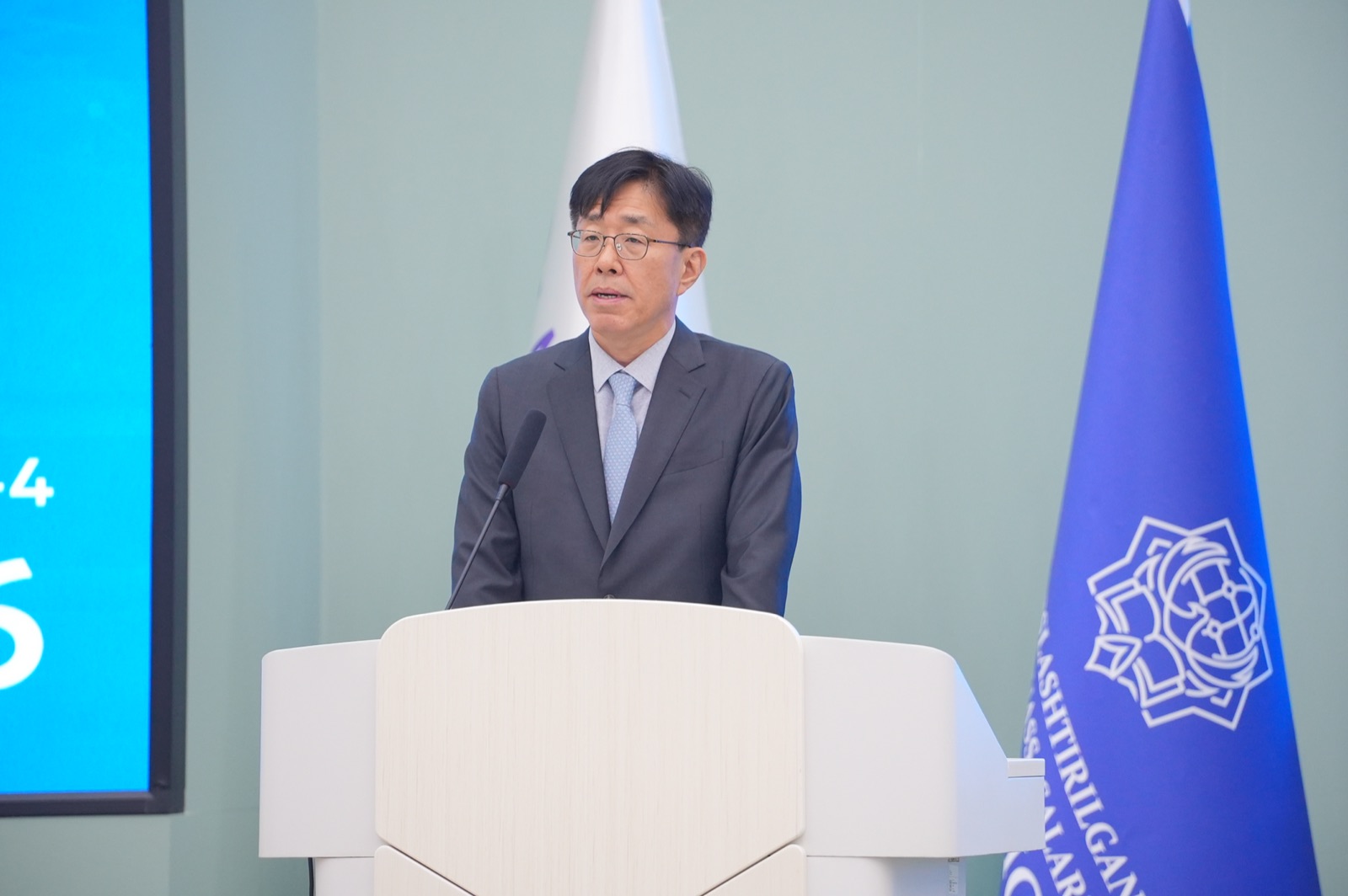
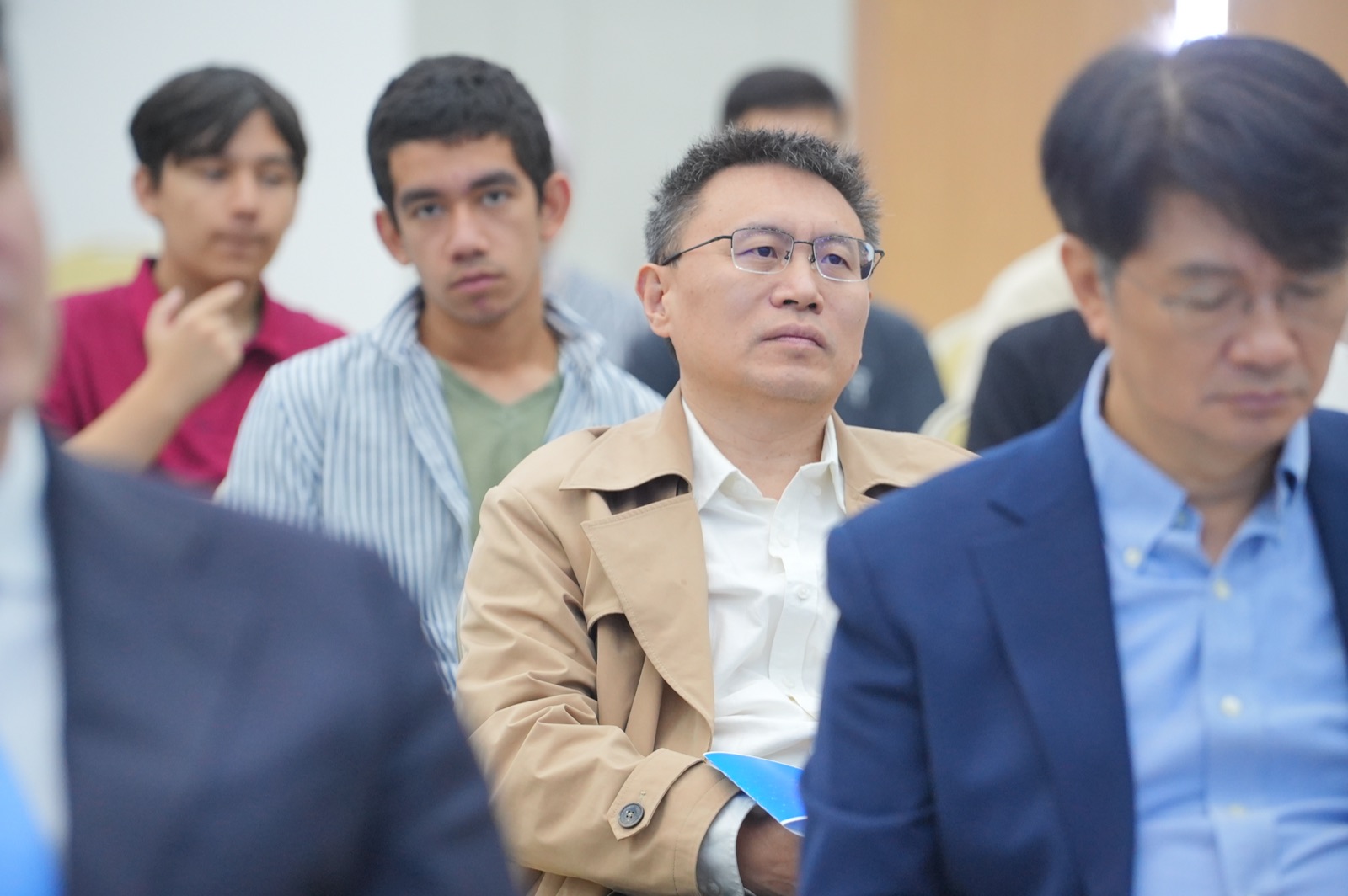
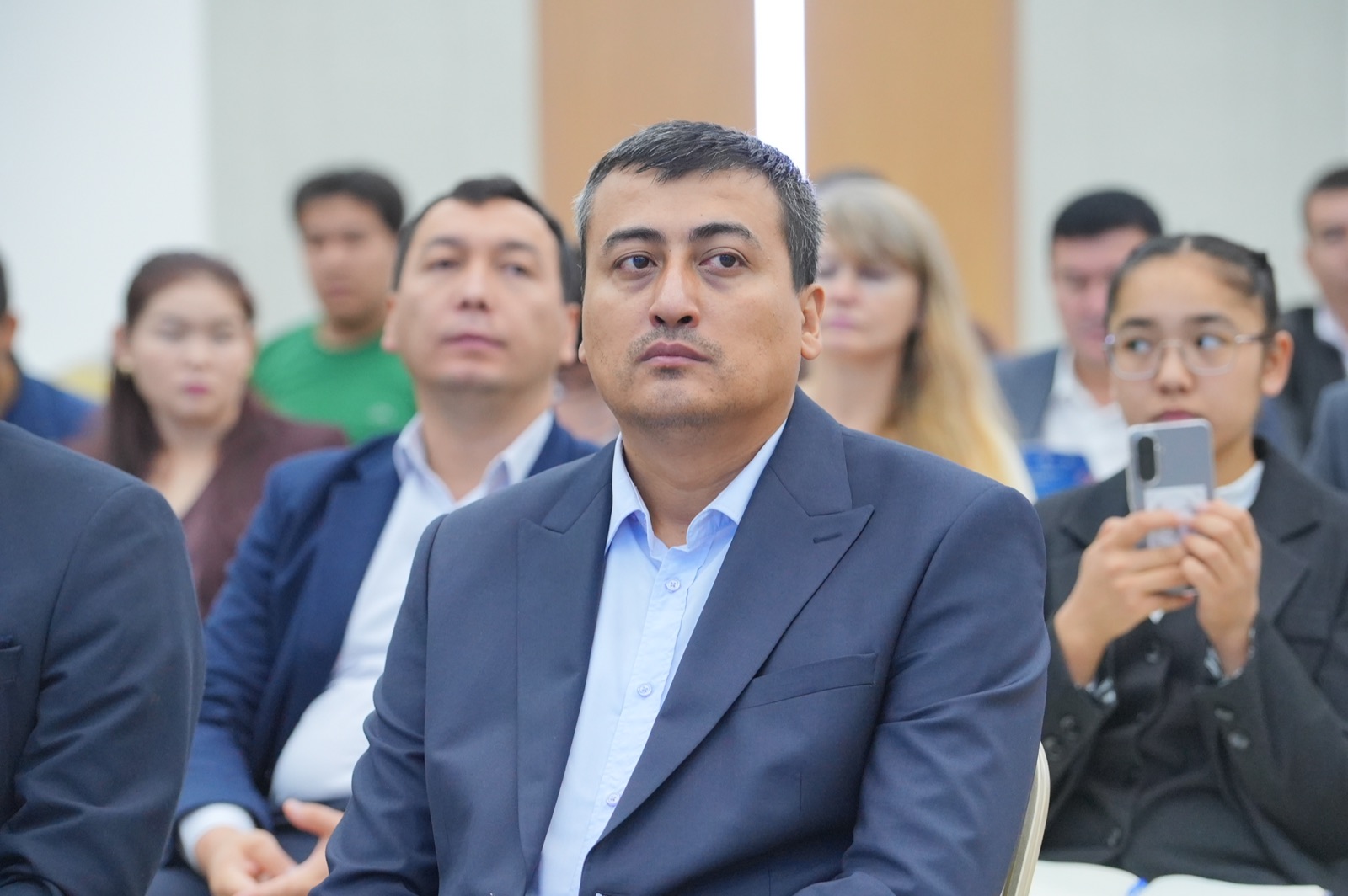
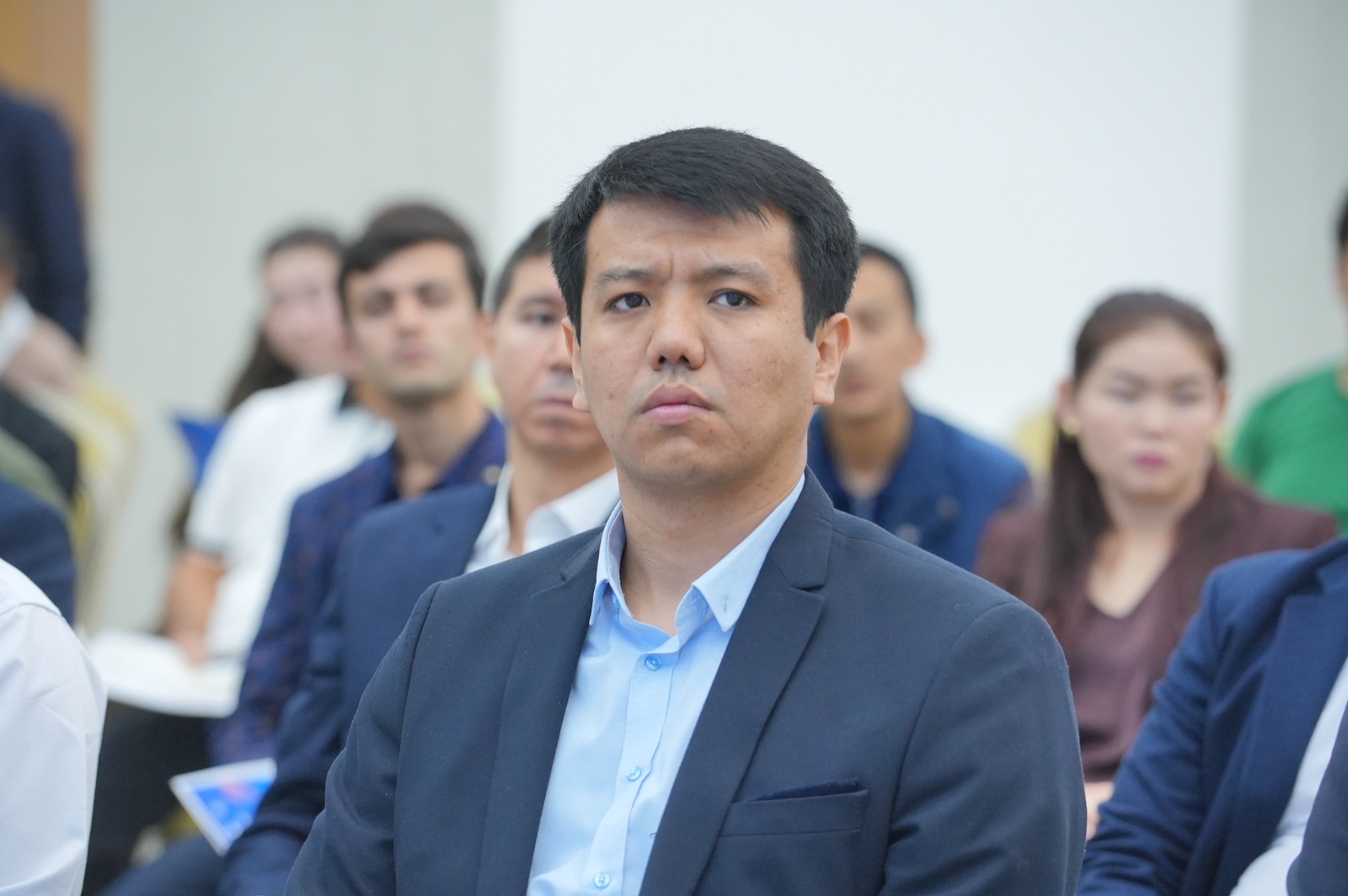
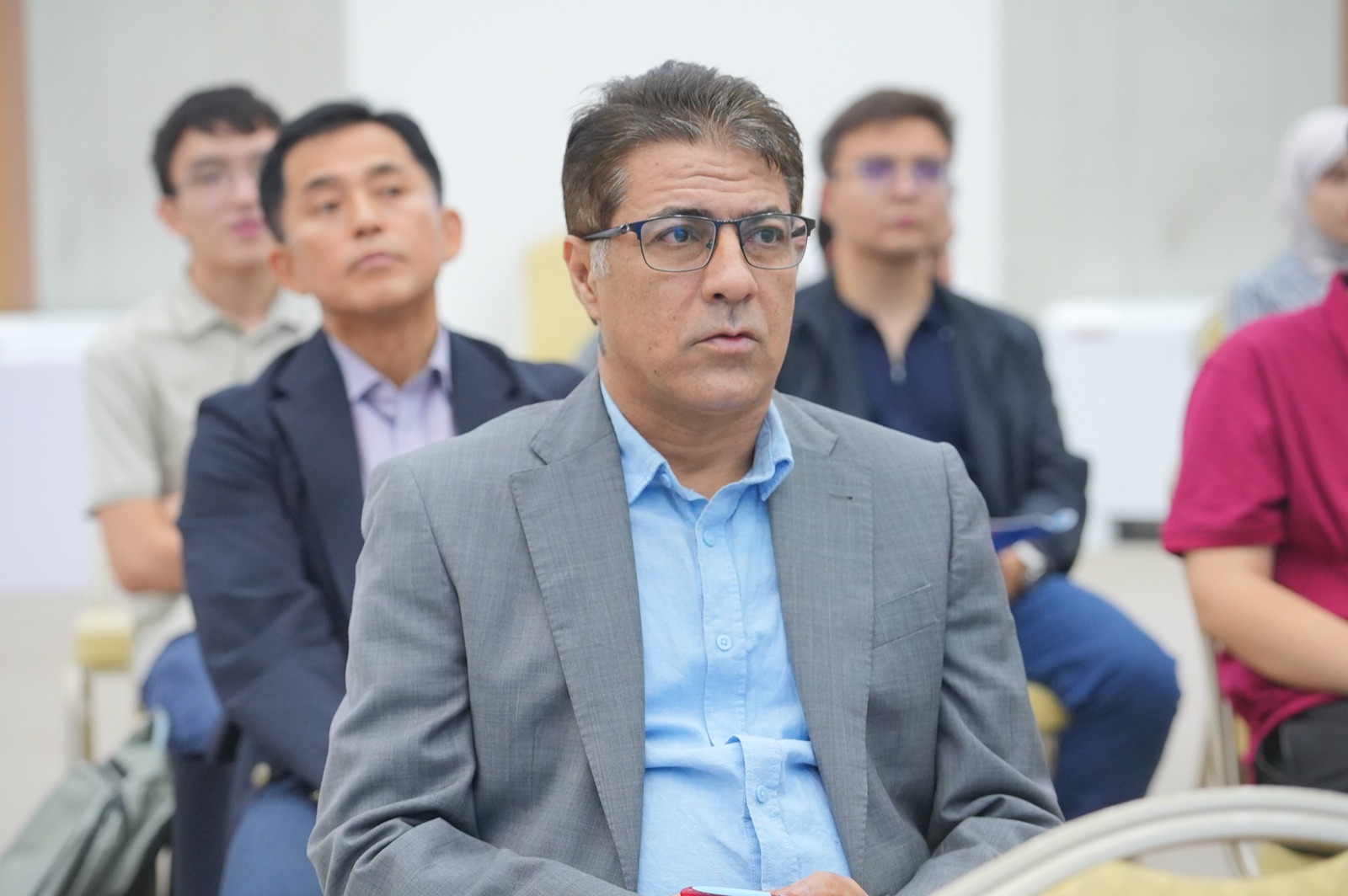
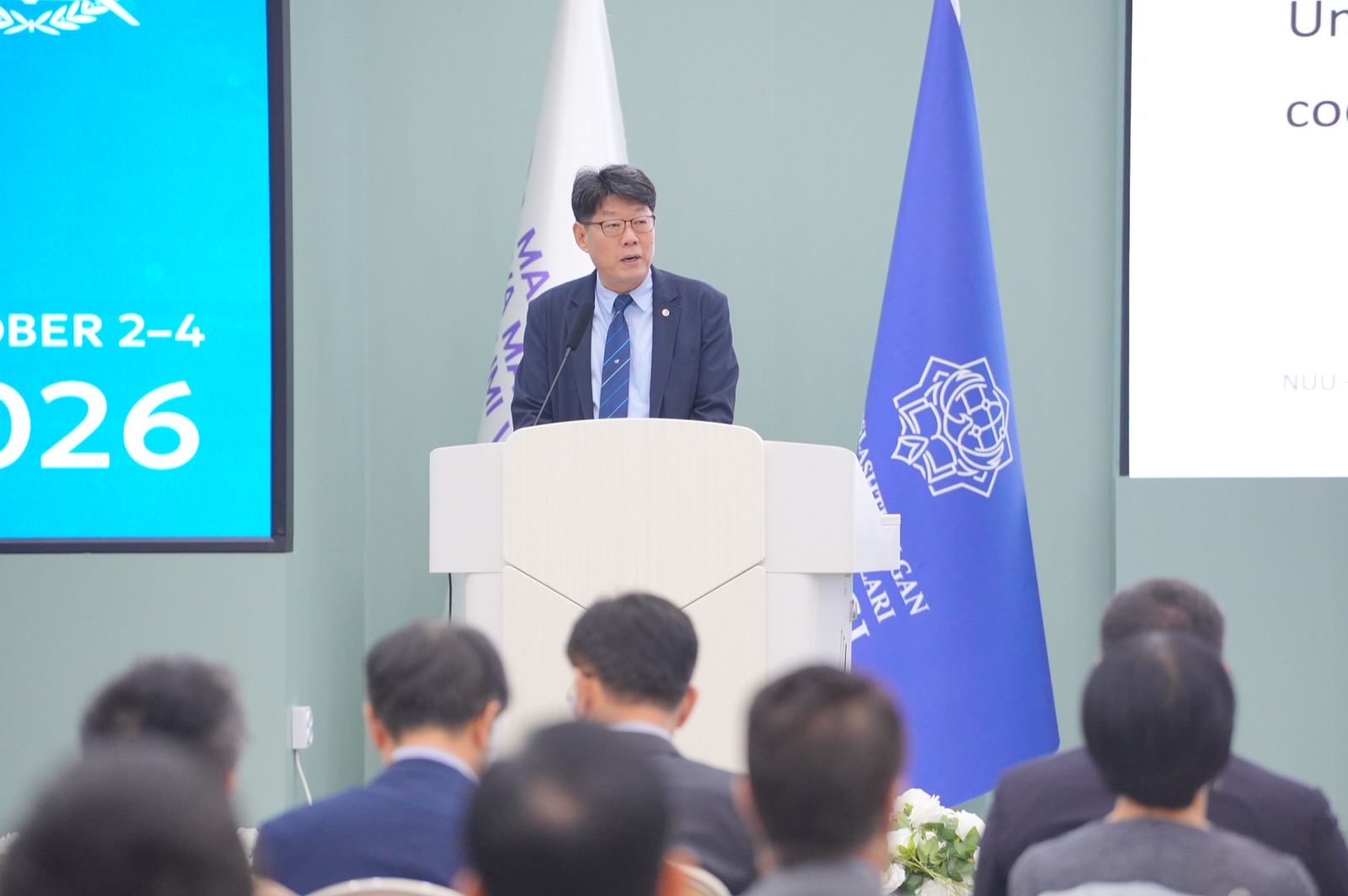
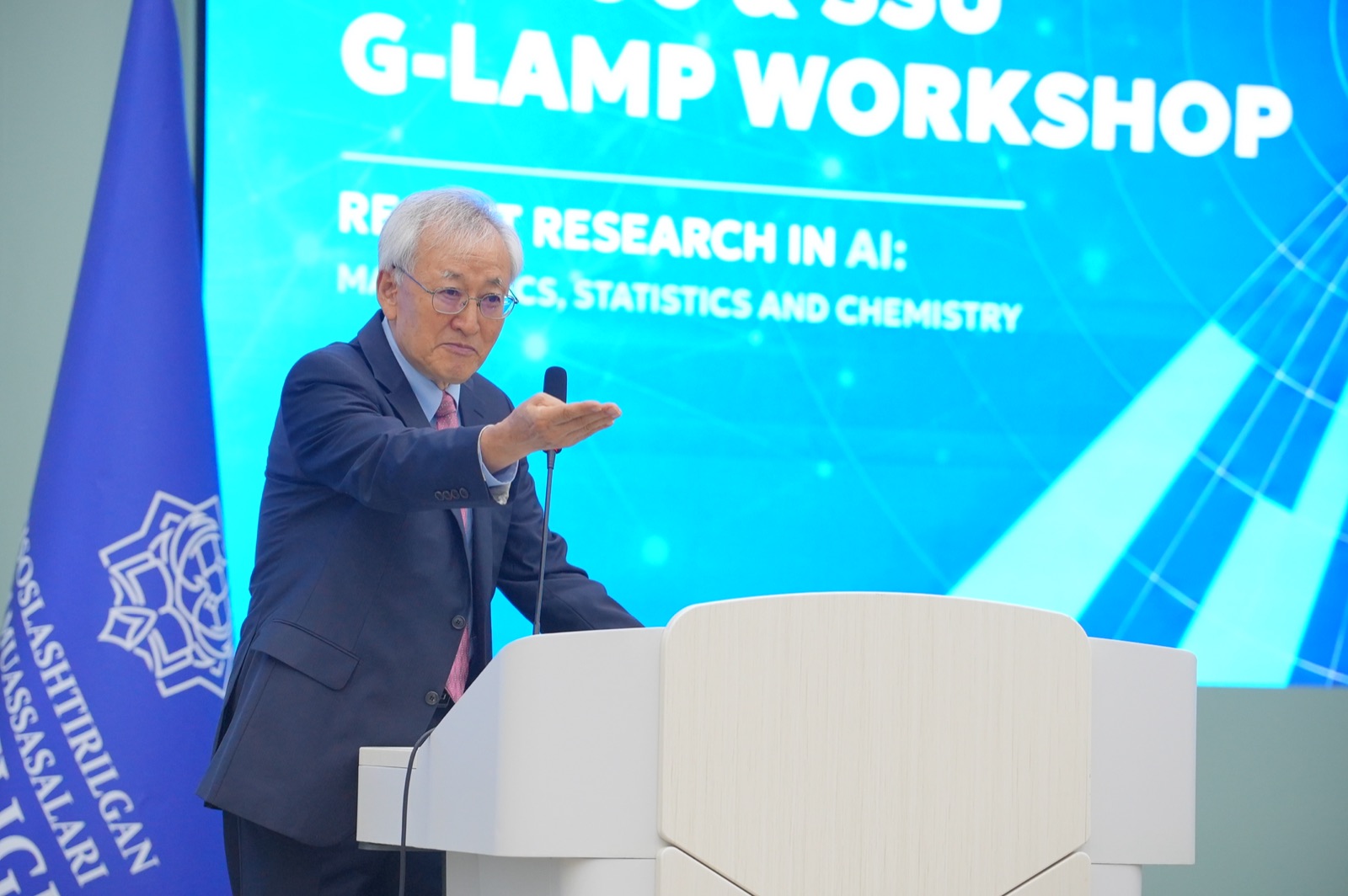
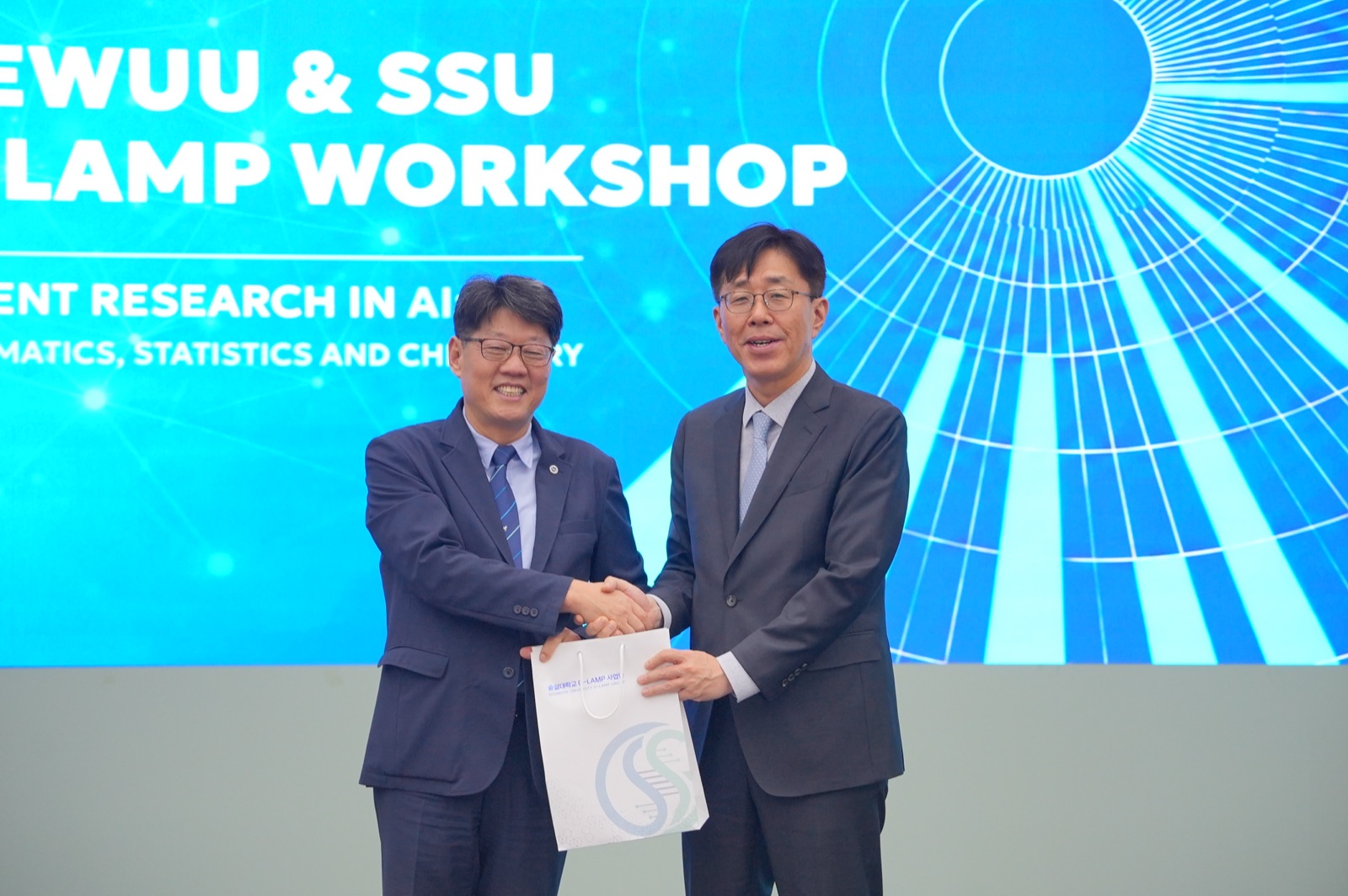
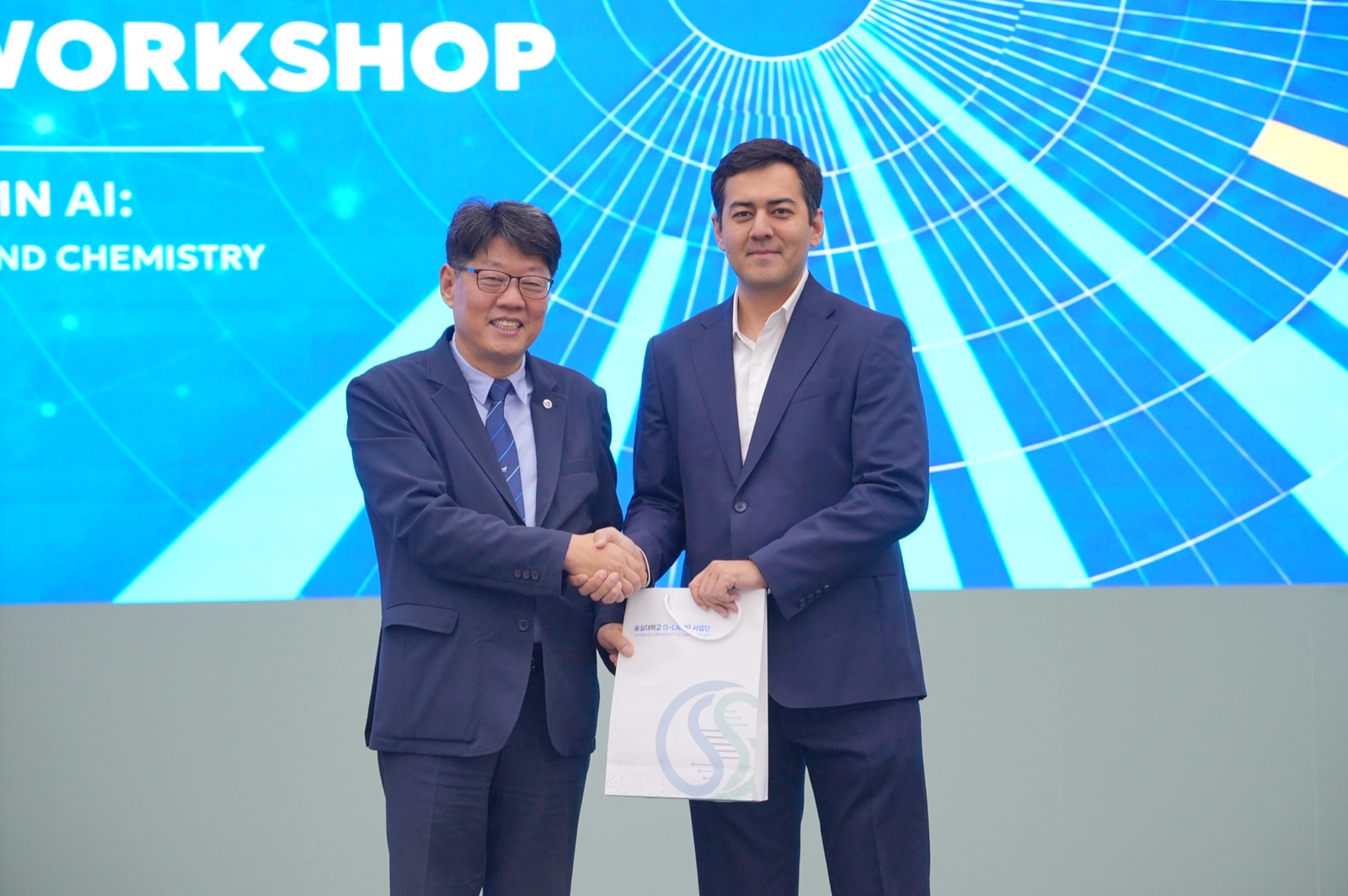
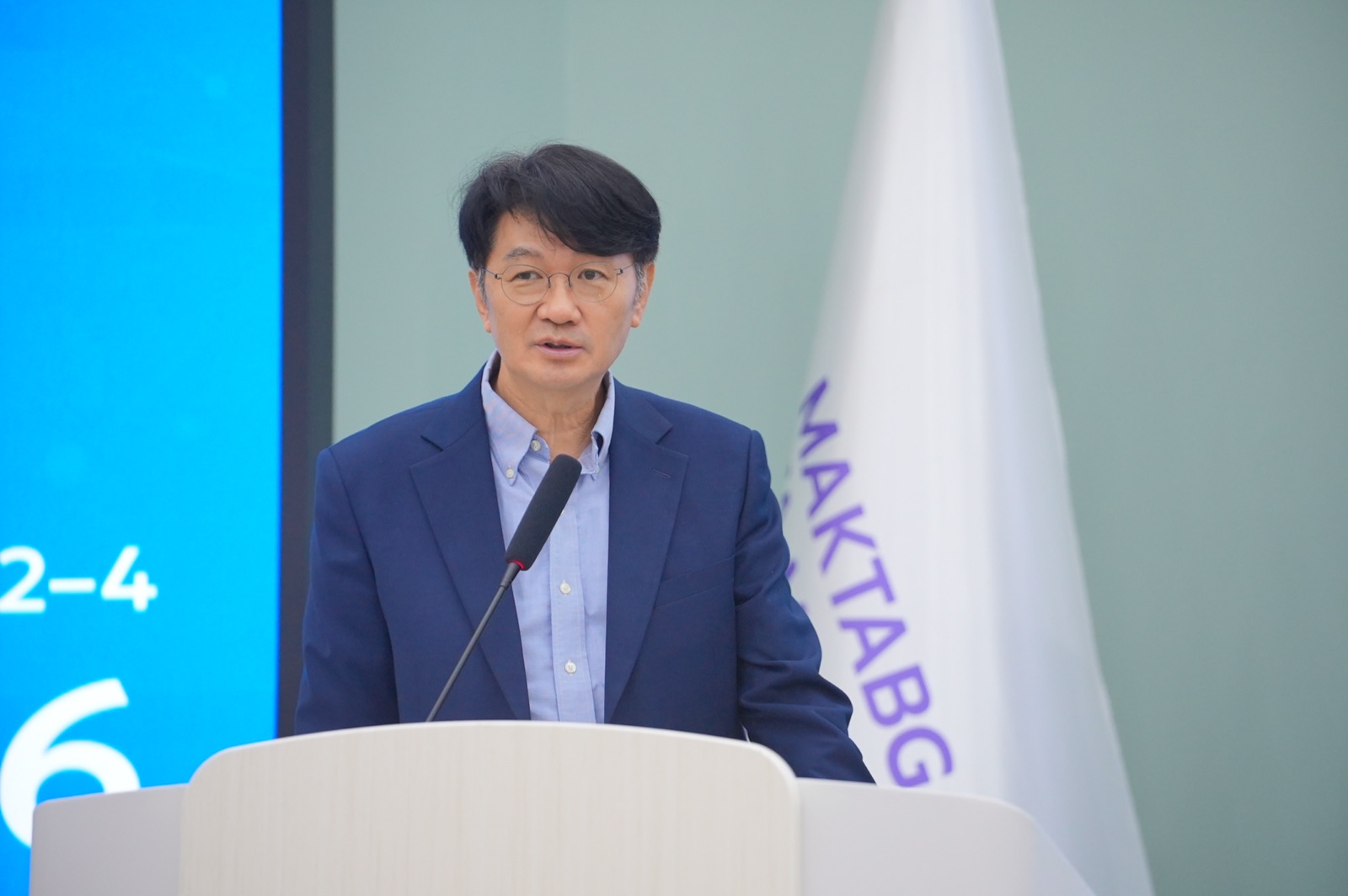
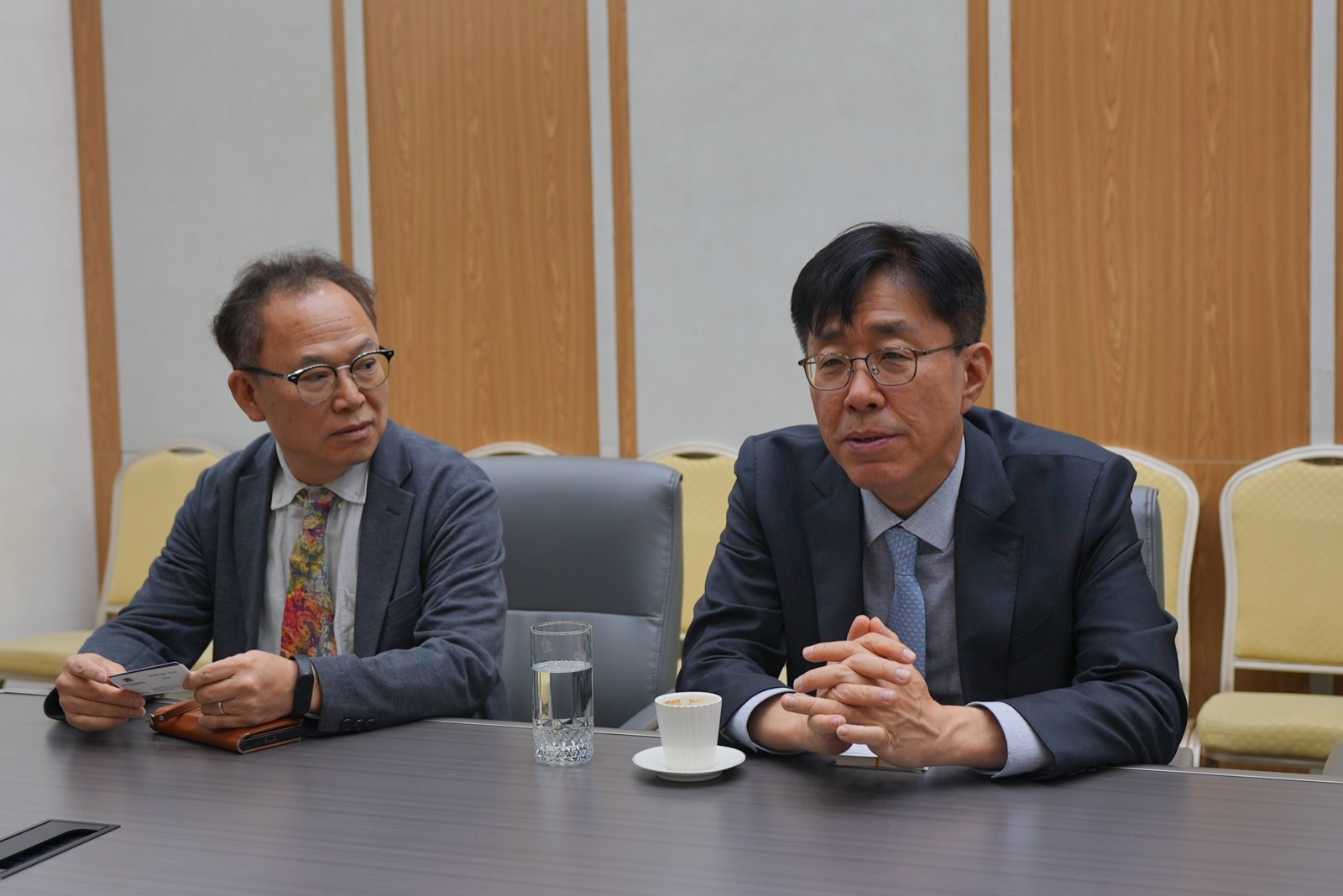
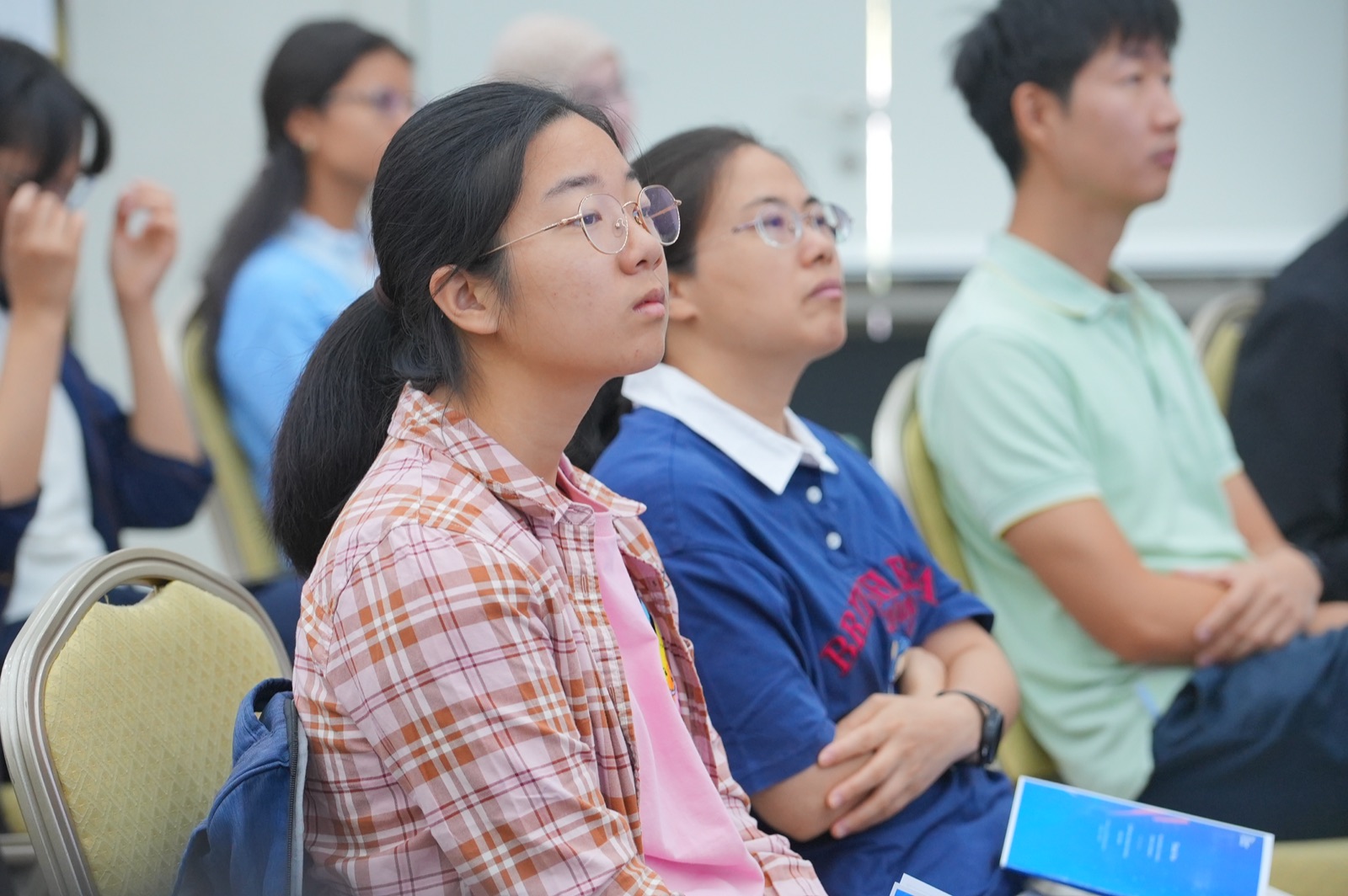
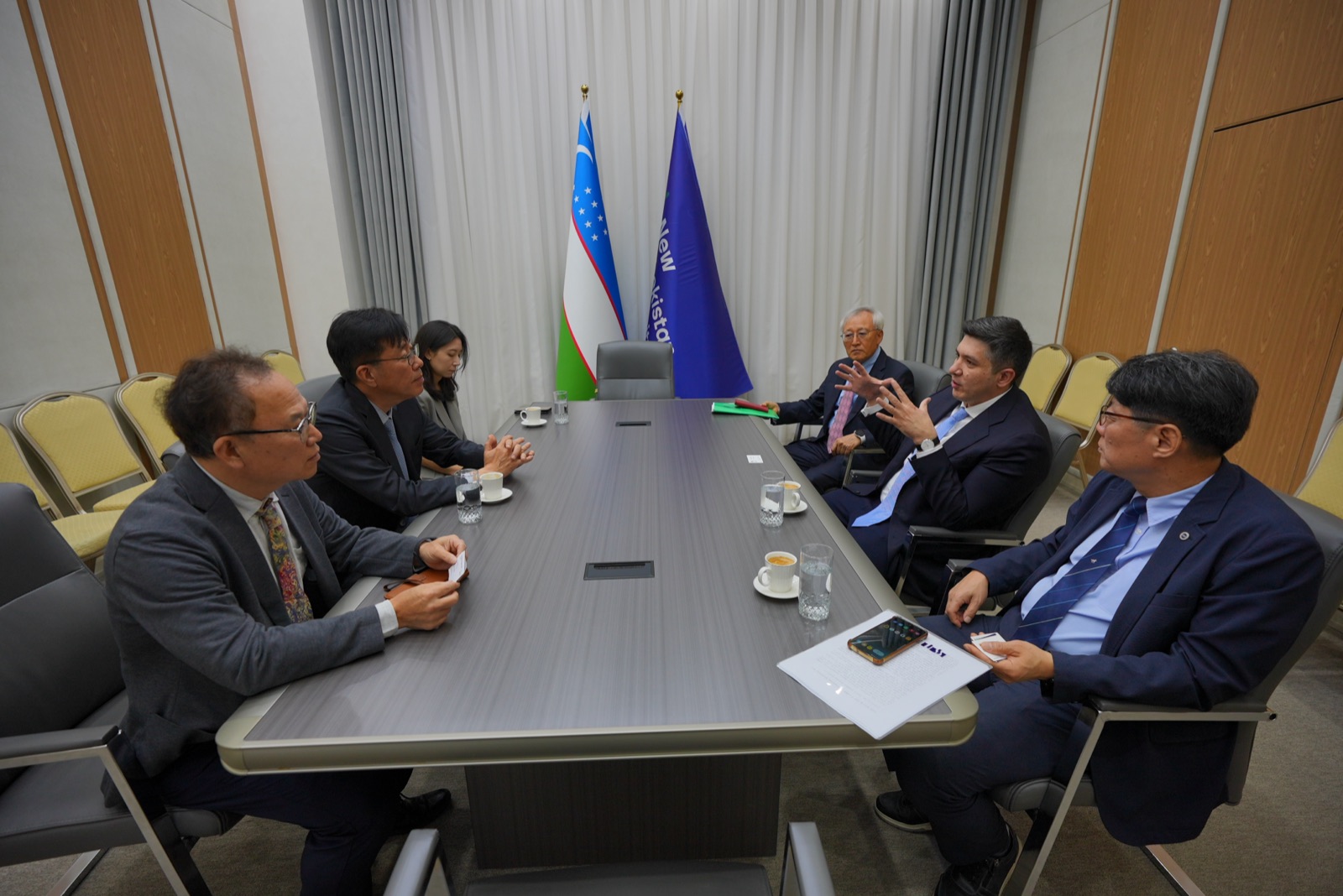
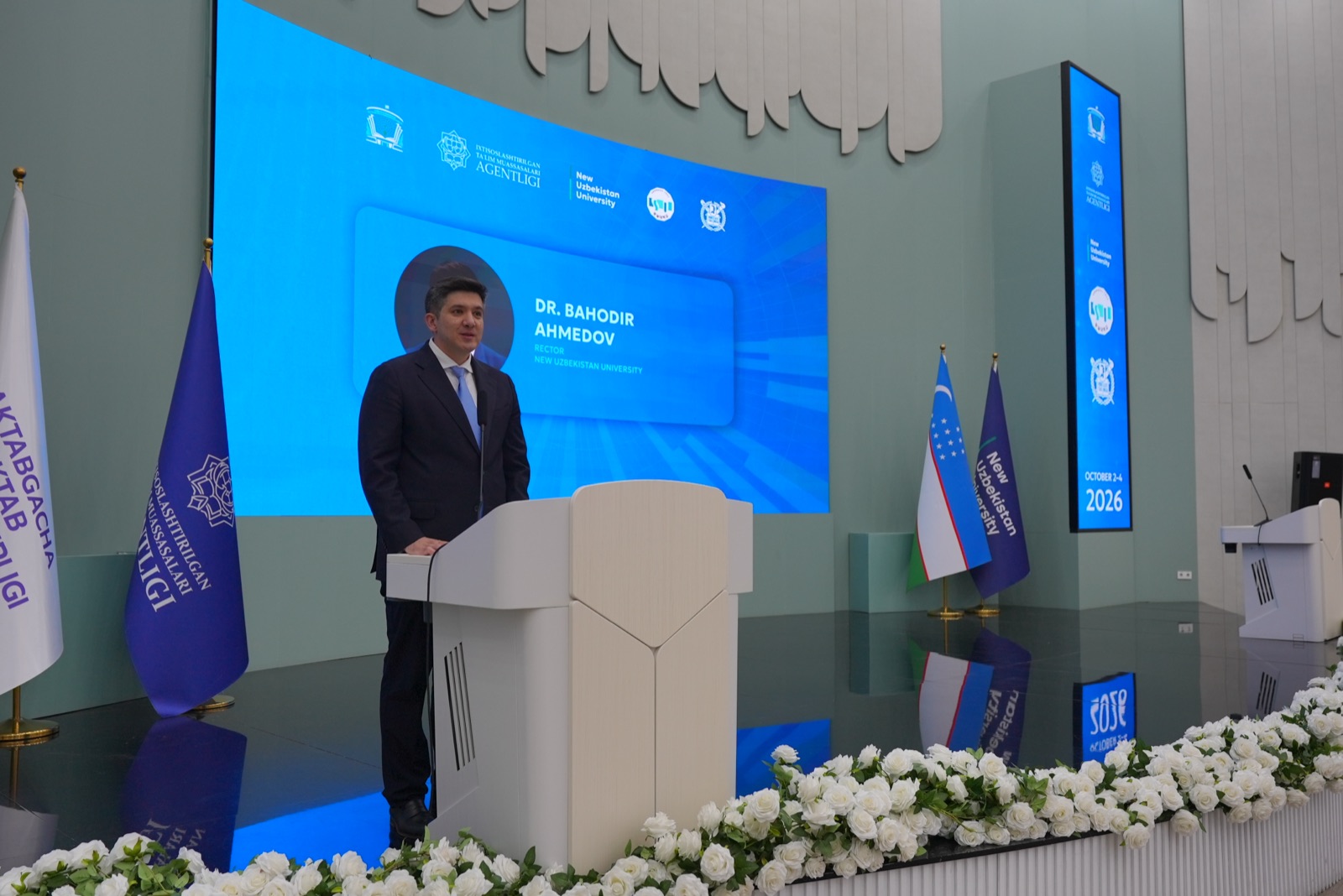
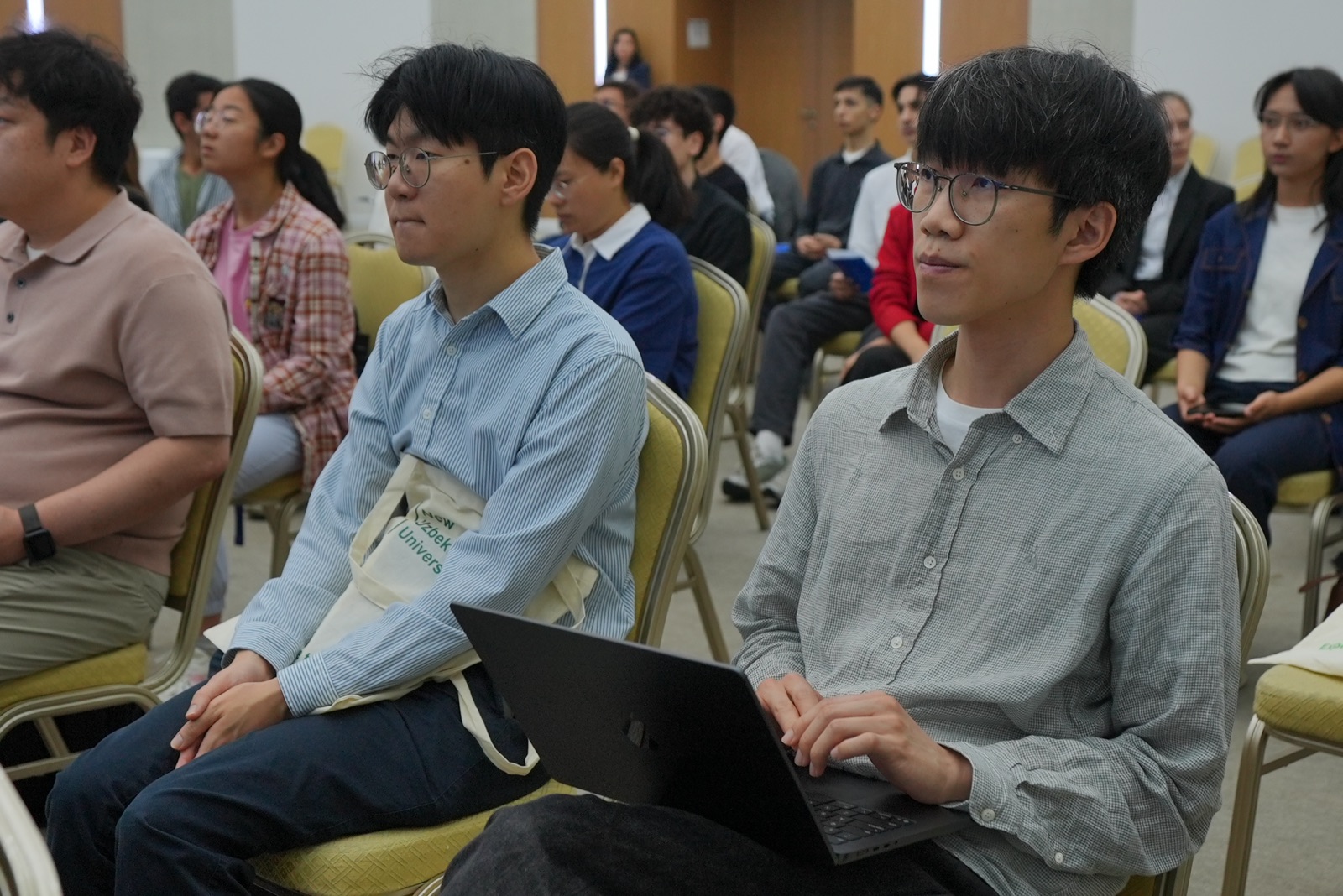
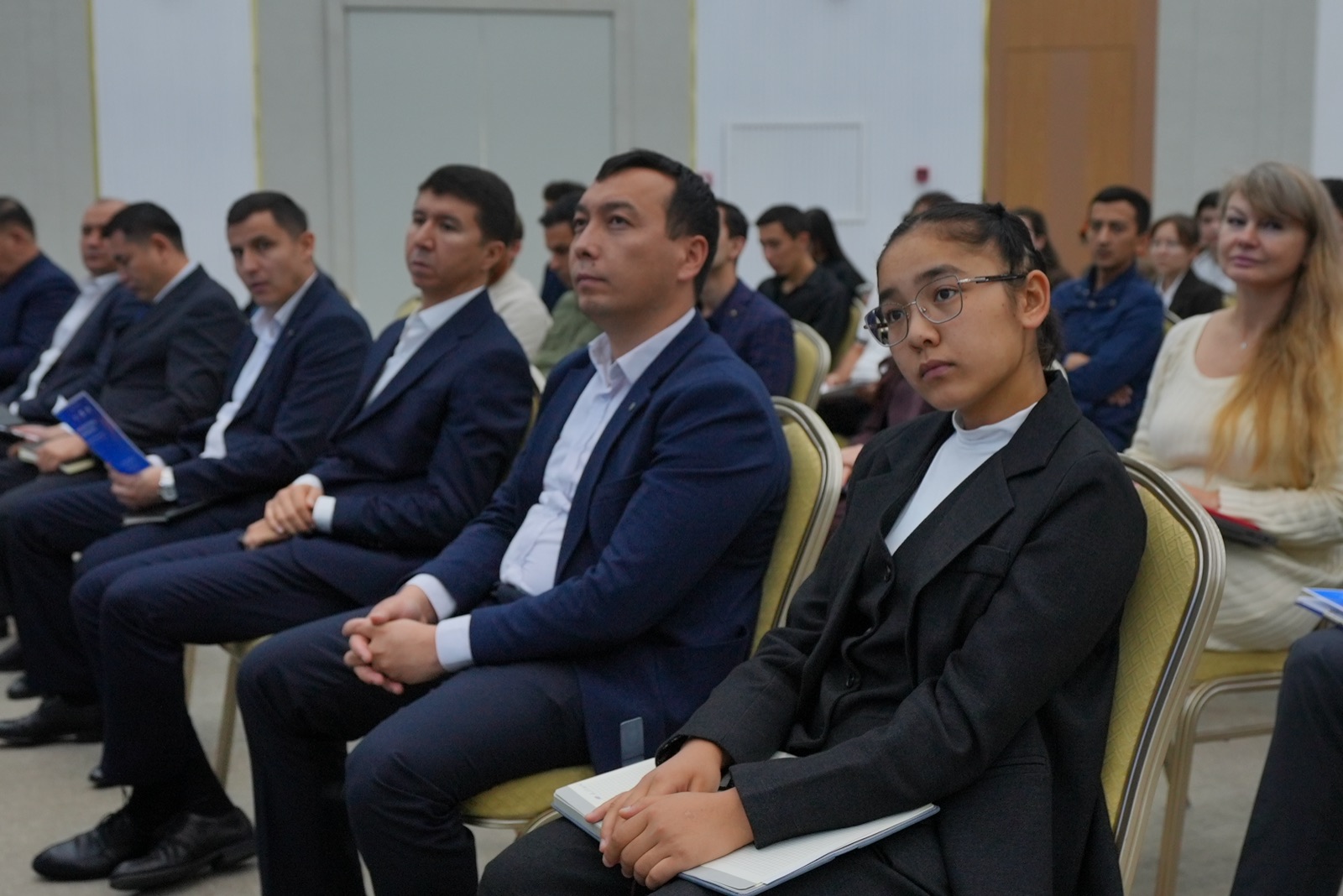
Click any photograph to open it at full size.
Organizing Committee
Associate Dean, New Uzbekistan University
Professor, New Uzbekistan University
Professor, New Uzbekistan University
List of Speakers
Dean and G-LAMP Leader, Soongsil University, Korea
Soongsil University G-LAMP Group, Korea
Ph.D., University of Maryland, Baltimore
Seoul National University, Korea
Ph.D., University of Michigan
Soongsil University G-LAMP Group, Korea
Ph.D., University of North Carolina at Chapel Hill
Soongsil University G-LAMP Group, Korea
Ph.D., Seoul National University
Soongsil University G-LAMP Group, Korea
Ph.D., KAIST
Soongsil University G-LAMP Group, Korea
B.S., Columbia University
Ph.D., Seoul National University
Soongsil University G-LAMP Group, Korea
Ph.D., Seoul National University
Soongsil University G-LAMP Group, Korea
Ph.D., Iowa State University
Postdoc, Argonne National Laboratory and University of Wisconsin–Madison
Soongsil University G-LAMP Group, Korea (online)
Ph.D., Seoul National University
Postdoc, IBS and KIAS
Sichuan University, China
Ph.D., Hong Kong University of Science and Technology
Sichuan University, China
New Uzbekistan University
Ph.D., State University of New York at Stony Brook
New Uzbekistan University
Ph.D., University of New South Wales
New Uzbekistan University
Ph.D., University Santiago de Compostela
New Uzbekistan University
Ph.D., University of Cologne
Schedule
All times are local (Tashkent, UTC+5). Venue: New Uzbekistan University, Tashkent.
Day 1: Friday, October 2
Opening Session, Session 1, Session 2 and excursion
| Time | Speaker | Title |
|---|---|---|
| Opening Session Moderator: Farkhod Eshmatov | ||
| 09:20-10:00 | Opening Ceremony Congratulatory remarks G-LAMP introduction |
Dr. Bahodir Ahmedov Rector, New Uzbekistan University Mr. Won, Do Yeon Ambassador Extraordinary and Plenipotentiary of the Republic of Korea to the Republic of Uzbekistan Dr. Jang, Kyung Nam Vice President, Soongsil University, Korea Bakhtiyor Yuldashev Director of the National Quality Assurance Agency for Education Dr. Kang, Weekyung Dean of the College of Natural Sciences, Soongsil University, Korea |
| Session 1 Chair: Jung Jin Lee | ||
| 10:00-11:00 | Taesung ParkSeoul National University Slides | (1-1) Deep-learning-based pathway analysis for omics data |
| 11:00-11:30 | Tea / Coffee Break | |
| 11:30-12:40 | Juyoung JeongSoongsil University G-LAMP Group Slides | (1-2) An Introduction to Transfer and Commutation Principles in Euclidean Jordan Algebras |
| 12:40-14:00 | Lunch | |
| Session 2 Chair: Farkhod Eshmatov | ||
| 14:00-15:10 | Liang YangSichuan University Slides | (2-1) OTrack: From Organoid Images to Growth Dynamics – A Training-Free Framework for Robust Longitudinal Tracking |
| 15:10-16:20 | Wonil ChungSoongsil University G-LAMP Group Slides | (2-2) Multi-trait and Trans-ethnic PRS Models for Complex Traits and Diseases |
| 16:20-18:00 | Excursion | |
Day 2: Saturday, October 3
Session 3 and Session 4
| Time | Speaker | Title |
|---|---|---|
| Session 3 Chair: Juyoung Jeong | ||
| 09:00-10:00 | Jeongmin HanSoongsil University G-LAMP Group Slides | (3-1) Game-theoretic approaches to partial differential equations and related problems |
| 10:00-11:00 | Seokjoo ChaeSoongsil University G-LAMP Group Slides | (3-2) A Hands-on Tutorial in Systems Biology: From Models to Machine Learning |
| 11:00-11:30 | Tea / Coffee Break | |
| 11:30-12:30 | Yu Lim KimSoongsil University G-LAMP Group Slides | (3-3) Machine Learning-Accelerated Discovery of Piezoelectric Hybrid Perovskites |
| 12:30-14:00 | Lunch | |
| Session 4 Chair: Wonil Chung | ||
| 14:00-15:10 | Ha-Young ShinSoongsil University G-LAMP Group Slides | (4-1) Statistics with the boundary at infinity on Hadamard spaces |
| 15:10-16:20 | Kyusoon KimSoongsil University G-LAMP Group Slides | (4-2) Dimension Reduction Methods for Graph Signals |
Day 3: Sunday, October 4
Session 5 and tutorial
| Time | Speaker | Title |
|---|---|---|
| Session 5 Chair: Amir Jafari | ||
| 09:30-10:40 | Sangwook Lee (online)Soongsil University G-LAMP Group Slides | (5-1) Using AI in pure mathematics research, focusing on code building for complicated algebraic computations |
| 10:40-11:10 | Xiaojun ChenNew Uzbekistan University | (5-2) TBA |
| 11:10-11:40 | Anna TomskovaNew Uzbekistan University | (5-3) Schur Multipliers with Unequal Operator and Completely Bounded Norms on Schatten Classes |
| 11:40-12:10 | Rustam TurdibaevNew Uzbekistan University | (5-4) Necklace Lie algebra and the Liezation of Leibniz Necklace Algebra |
| 12:10-12:40 | Volker GenzNew Uzbekistan University | (5-5) TBA |
Registration
Registration is now closed. The workshop took place on 2–4 October 2026 at New Uzbekistan University, Tashkent.
Titles and Abstracts
(1-1) Taesung Park (Seoul National University)
Title: Deep-learning-based pathway analysis for omics data
Abstract: The rapid growth of high-throughput omics technologies has created new opportunities for pathway-based analyses aimed at understanding the biological basis of complex traits and diseases. Despite substantial methodological advances, most existing pathway analysis methods do not adequately model pathway overlap, inter-pathway dependence, or the hierarchical structure inherent in biological systems.
In this talk, I will present our research on Hierarchical Structured Component Models (HisCoM), a statistical framework designed to incorporate biological hierarchy into pathway analysis. Building upon this foundation, we developed DeepHisCoM, a deep learning framework that models nonlinear relationships between genes, pathways, and phenotypes through hierarchical neural architectures. DeepHisCoM combines the interpretability of pathway-based modeling with the flexibility of deep learning, enabling more accurate characterization of complex biological mechanisms across diverse omics platforms.
(1-2) Juyoung Jeong (Soongsil University G-LAMP Group)
Title: An Introduction to Transfer and Commutation Principles in Euclidean Jordan Algebras
Abstract: A central question in mathematics is whether a problem posed on a complicated mathematical space can be understood by studying a corresponding problem on a simpler related space. This idea lies at the heart of the transfer principle and the commutation principle in Euclidean Jordan algebras, a framework that extends familiar settings such as the spaces of real symmetric and Hermitian matrices. The transfer principle asserts that many important analytic and convexity-related properties of a symmetric function $f$ can be ‘transferred’ to the associated spectral function $G = f \circ \lambda$, where $\lambda$ denotes the eigenvalue map. In this talk, we discuss transfer principles for several notions of generalized convexity, including quasiconvexity and pseudoconvexity.
On the other hand, the commutation principle provides structural necessary conditions for optimality in certain optimization problems via the concept of ‘commutativity’. Roughly speaking, it states that an optimizer must operator commute, in an appropriate sense, with the relevant data of the problem. As a consequence, certain optimization problems on Euclidean Jordan algebras can be reduced to simpler problems involving only eigenvalues. The goal of this talk is to introduce these principles and to highlight the deep connections among spectral theory, convex analysis, and optimization.
(2-1) Liang Yang (Sichuan University)
Title: OTrack: From Organoid Images to Growth Dynamics – A Training-Free Framework for Robust Longitudinal Tracking
Based on: researchsquare.com/article/rs-10078820/v1
(2-2) Wonil Chung (Soongsil University G-LAMP Group)
Title: Multi-trait and Trans-ethnic PRS Models for Complex Traits and Diseases
Abstract: Polygenic risk scores (PRSs) are widely used to predict genetic susceptibility to complex diseases, but their performance is often reduced in non-European populations because of ancestral imbalance in genome-wide association studies (GWASs), linkage disequilibrium (LD) differences, and allele frequency variation. Recent PRS frameworks include heuristic and Bayesian methods such as CT, LDpred, PRS-CS, PRS-CSx, SDPRX, XPASS, and TL-PRS, as well as multi-trait approaches including MTAG, wMT-SBLUP, MPS, PRSsum, MT-GBLUP, and CTPR.
In this talk, we review and compare multi-trait and trans-ethnic PRS strategies and propose a genetic correlation-based selection priority framework integrating cross-trait and cross-population information. Using GWAS summary statistics from East Asian (EAS) and European (EUR) populations for 11 complex traits, PRSs were constructed in 73,359 Korean individuals using single-ethnic, meta-ethnic, multi-ethnic, and trans-ethnic approaches. Genetic correlations were estimated using LDSC and POPCORN to prioritize correlated traits for multi-trait PRS modeling.
Multi-ethnic and trans-ethnic approaches consistently outperformed single-ethnic and meta-ethnic models across most traits. Multi-ethnic models showed robust performance for triglycerides, smoking, drinking, and type 2 diabetes (T2D), whereas trans-ethnic models achieved superior performance for BMI, blood pressure, glucose, HDL cholesterol, coronary artery disease (CAD), and asthma. Incorporating genetically prioritized correlated traits further improved prediction performance. Simulation studies further demonstrated that multi-ethnic PRS approaches provide stable performance across diverse genetic architectures, while trans-ethnic PRS performs best under high cross-population genetic correlation and low LD differences. These findings support the integration of multi-trait and trans-ethnic information to improve PRS prediction in diverse populations.
(3-1) Jeongmin Han (Soongsil University G-LAMP Group)
Title: Game-theoretic approaches to partial differential equations and related problems
Abstract: Probabilistic approaches have long been one of the powerful tools in the study of PDEs. They not only provide an alternative perspective for understanding these equations but have also led to new mathematical developments in the field. A classic example is the use of random walks in the study of the Laplace equation, where the mean value property of harmonic functions serves as the key connection. Similar ideas can be extended to a broader class of equations. In the nonlinear setting, the so-called tug-of-war game provides a representative example. This stochastic game can be interpreted as a discretization scheme for the normalized $p$-Laplace operator. In this talk, I will mainly discuss recent research on $p$-Laplace type PDEs and related problems from the perspective of tug-of-war games. More recently, game-theoretic approaches have also been applied to a wider range of PDEs and neighboring areas, and I will briefly touch upon some of these developments as well.
(3-2) Seokjoo Chae (Soongsil University G-LAMP Group)
Title: A Hands-on Tutorial in Systems Biology: From Models to Machine Learning
Abstract: Biological systems behave as networks whose dynamics rarely follow from their individual parts, and systems biology exists to make that behavior predictable. This tutorial follows a single example — bacterial growth and antibiotic response — from reaction kinetics to ODE models, uses those models to simulate thousands of parameter sets, and analyzes the resulting data through clustering, classification, and regression. Taken together, these steps outline a practical workflow that links mechanistic insight with data-driven prediction and transfers readily to other biological systems.
(3-3) Yu Lim Kim (Soongsil University G-LAMP Group)
Title: Machine Learning-Accelerated Discovery of Piezoelectric Hybrid Perovskites
Abstract: The discovery of functional materials requires navigating enormous chemical and structural spaces, where expensive first-principles calculations are computationally limited. In this work, we develop a computational framework integrating density functional theory (DFT) and machine learning (ML) to accelerate the discovery of piezoelectric hybrid organic–inorganic perovskites (HOIPs).
High-throughput DFT calculations are used to generate structural and piezoelectric data across diverse combinations of organic cations, metal ions, and halides. Machine-learning models are then trained using molecular and structural descriptors to predict piezoelectric properties and identify promising candidates across a broader chemical space. This integrated framework enables efficient exploration of large chemical spaces and identifies previously unexplored organic cations with enhanced piezoelectric responses. More broadly, our study demonstrates how first-principles simulations and machine learning can be combined to accelerate data-driven materials discovery.
(4-1) Ha-Young Shin (Soongsil University G-LAMP Group)
Title: Statistics with the boundary at infinity on Hadamard spaces
Abstract: Many modern data sets have complex, non-linear structure, and are thus best analyzed as points on a Riemannian manifold or some other metric space. Among the most useful metric spaces for non-Euclidean statistics are Hadamard spaces, also called spaces of global non-positive curvature. Prominent examples include hyperbolic spaces and the spaces of symmetric positive definite matrices; these show up in diverse fields such as phylogenetics, computer vision, natural language processing, and developmental biology. A crucial property of these spaces is the so-called boundary at infinity, which can be used to canonically define directions in the space. Using this boundary, we can generalize many standard multivariate statistical concepts to Hadamard space settings by replacing vectors with magnitude-direction pairs. Two such examples include quantiles and treatment effects.
(4-2) Kyusoon Kim (Soongsil University G-LAMP Group)
Title: Dimension Reduction Methods for Graph Signals
Abstract: This talk presents dimension reduction methods for multivariate graph signals, where multiple variables are observed over the vertices of a graph. We focus on graph frequency-domain approaches that incorporate the underlying graph structure and provide multiscale representations of the data.
First, we introduce a graph frequency-domain principal component analysis method that reduces dimensionality while allowing closed-form reconstruction of the original signals. This approach also provides a graph spectral envelope for identifying common graph frequencies across multiple variables. Second, we present a graph frequency-domain factor model that uses graph filters to extract latent factors and loadings, extending the frequency-domain perspective of dynamic factor models to graph-structured data.
The proposed methods are evaluated through simulation studies and illustrated using real data examples, including Seoul Metropolitan Subway passenger data, G20 economic data, and water quality data from the Geum River. The results show that graph frequency-domain dimension reduction can effectively capture graph-structured variation while improving interpretability and reconstruction.
(5-1) Sangwook Lee (Soongsil University G-LAMP Group)
Title: Using AI in pure mathematics research, focusing on code building for complicated algebraic computations
Abstract: The multiplicative structure of an orbifold Jacobian algebra is quite involved, and the structure constant was conjectured to be explicitly related to the Hessian determinant. In this talk, we investigate how we could resolve the conjecture for surface singularities by using AI tools.
(5-2) Xiaojun Chen (New Uzbekistan University)
Title: TBA
Abstract: TBA
(5-3) Anna Tomskova (New Uzbekistan University)
Title: Schur Multipliers with Unequal Operator and Completely Bounded Norms on Schatten Classes
Abstract: For $p = 2$, the operator norm and completely bounded norm of a Schur multiplier on the Schatten class $S_p$ coincide. Whether a strict separation can occur for $p \neq 2$ has been a prominent open question in non-commutative analysis, raised by Lafforgue and de la Salle (2014) as well as Caspers and Wildschut (2019). In this talk, we present an explicit construction that answers this question in the affirmative. For every $1 < p \neq 2 < \infty$, we exhibit a finitely supported Schur symbol $m_p$ whose operator norm on $S_p$ is strictly smaller than its completely bounded norm: \[ \|M_{m_p}\|_{p\to p} < \|M_{m_p}\|_{\mathrm{cb},p}. \] We will detail the construction of these symbols, show that the strict separation already manifests at the second matrix amplification level ($\|M_{m_p}\|_{p\to p} < \|M_{m_p}^{(2)}\|_{p\to p}$), and discuss how this result disproves an open conjecture by Caspers and Wildschut regarding the norms of $L_p$-Schur multipliers.
(5-4) Rustam Turdibaev (New Uzbekistan University)
Title: Necklace Lie algebra and the Liezation of Leibniz Necklace Algebra
Abstract: The necklace Lie algebra of a quiver is classically defined on the commutator quotient $A/\mathrm{Com}(A)$ of the path algebra $A$ of its doubled quiver. Through Van den Bergh's double Poisson formalism, this structure lifts to a left Leibniz bracket $\{-,-\}$ on $A$ itself. In turn, the theory of Leibniz algebras attaches to $(A,\{-,-\})$ another canonical Lie quotient: the liezation $A/\mathrm{Leib}(A)$, where the Leibniz kernel $\mathrm{Leib}(A)$ is spanned by the self-brackets $\{a,a\}$. In this talk, we investigate the precise conditions under which these two quotients coincide. Over a field of characteristic zero, we show that $\mathrm{Leib}(A) = \mathrm{Com}(A)$ if and only if every arrow in the quiver with distinct endpoints possesses a loop at either its source or its target. As a consequence, for the free algebra $k\langle x_1,\dots,x_g,y_1,\dots,y_g\rangle$ equipped with Kontsevich's bracket, the necklace Lie algebra is precisely the liezation of the necklace Leibniz algebra, meaning that the relations imposed by taking traces are exactly those forced by antisymmetry.
(5-5) Volker Genz (New Uzbekistan University)
Title: TBA
Abstract: TBA
Organized by

New Uzbekistan University
Tashkent, Uzbekistan

G-LAMP Group, Soongsil University
Seoul, Korea